
Kitchen Cabinet Quote Comparison
Prepare an itemized kitchen cabinet request in Annapolis. Compare units, finishes, exclusions and purchase terms without assuming supplier availability.
Bring your project details together before considering a cabinet purchase.
Send my cabinet inquiry
Or call (562) 203-3232. Calls only, we do not receive text messages.
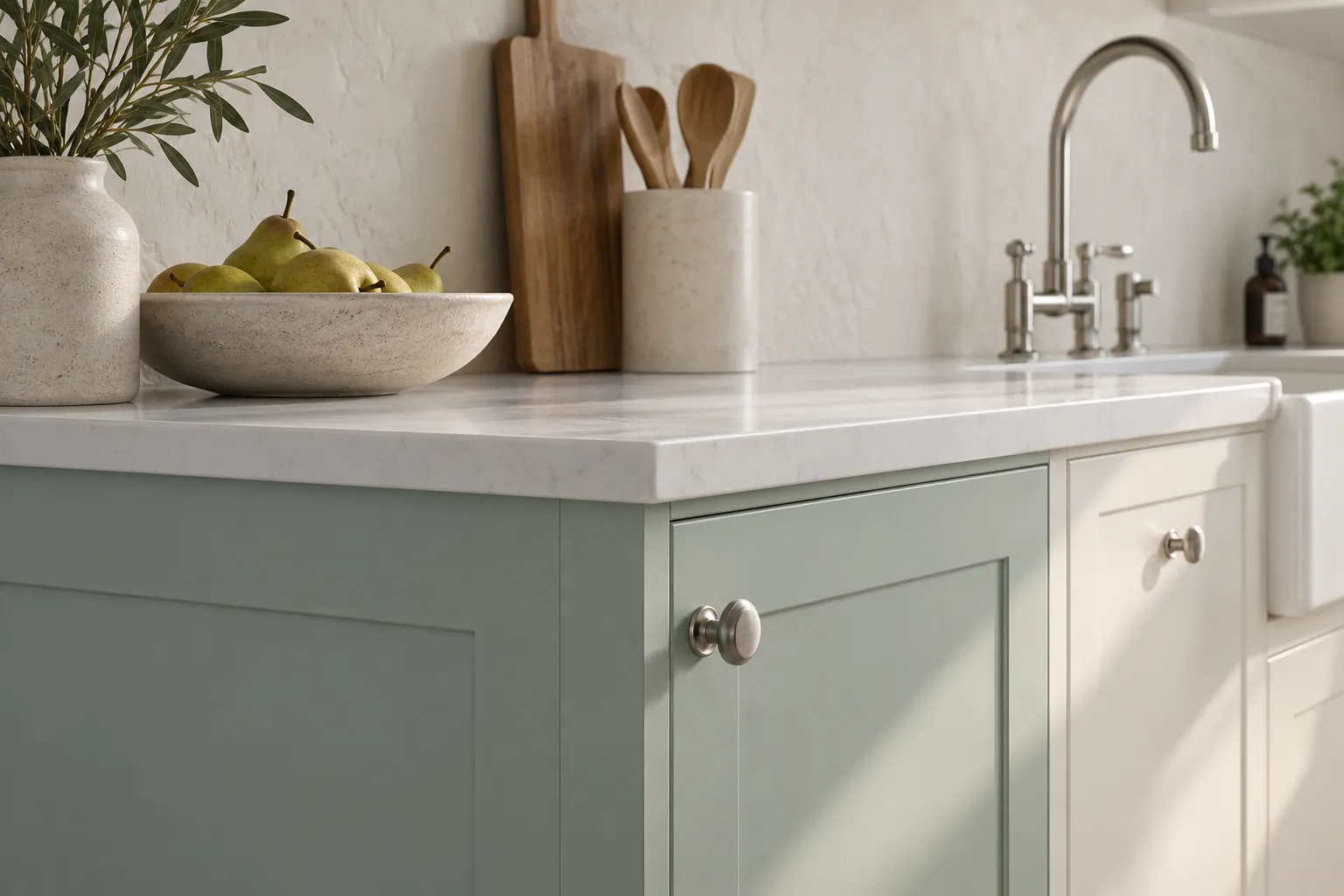
A cabinet purchase can stall for very different reasons in Annapolis: an incomplete room sketch, a confusing quote or a receiving plan that nobody has agreed to. Annapolis Cabinet Tide organizes buying information around those decisions, so your request can explain the help you actually need instead of selecting an unrelated construction service.
The six topics below cover purchase preparation and possible quote referrals. They do not represent a showroom, a measuring visit or a performing contractor. Choose the closest topic, describe the uncertain parts and keep supplier acceptance separate from submitting the form. A useful brief makes responsibilities visible before money changes hands.
About Annapolis Cabinet Tide
Independent cabinet buying information and quote-request service. We do not manufacture, stock or install cabinets. A referral, supplier response, appointment or purchase is not guaranteed. Product availability, delivery and installation must be confirmed directly with the seller or separately engaged contractor.
Every service
Prepare an itemized kitchen cabinet request in Annapolis. Compare units, finishes, exclusions and purchase terms without assuming supplier availability.
Organize cabinet layout questions in Annapolis before requesting product options. Clarify openings, appliances, storage and final verification.
Compare RTA and assembled cabinet purchases in Annapolis. Ask about handling, instructions, assembly responsibility and the complete seller price.
Prepare an Annapolis vanity purchase request with cabinet, basin and top details. Confirm fit and seller terms separately from any plumbing work.
Prepare multiroom cabinet purchase requests in Annapolis with unit schedules, bill of materials, substitutions and receiving responsibilities.
Prepare cabinet pickup and delivery questions in Annapolis. Clarify the receiving point, access, handling, inspection and seller responsibilities.
Choose kitchen quote comparison when you have a proposed layout or a clear room objective and want to understand the product order. The important result is not just a price next to a photograph. It is a readable list of units, sizes, finish choices, accessories and exclusions that can be compared with another proposal.
Bring the competing specifications into the conversation if you already have them. Ask whether the second proposal includes the same sink base, drawer storage, finished panels and hardware. Record changes that might explain a different total. If you are still deciding between two arrangements, keep those versions separate so a seller does not accidentally quote a combination that fits neither one. A request through this guide is not itself a binding estimate; it supplies the context a potential seller needs to decide whether to discuss the purchase and prepare their own terms.
Use layout and order preparation when a list of boxes would be premature. Begin with openings, appliance positions, the sink location and the way doors move through the room. Explain the actual inconvenience you want to address: a blocked corner, difficult pan storage or a workspace that cannot hold the items you use. That detail is more useful than asking for a bigger kitchen without a defined plan.
Preliminary sketches should label uncertain measurements. A responsible seller, designer or separately hired professional must confirm the final requirements before an order is approved. This information service does not provide licensed design or field measurement. If the broader project affects an exterior opening at a designated Annapolis property, confirm the relevant approval path independently; the city preservation source concerns exterior review and does not answer every interior layout question. Keep those unresolved building decisions visible rather than selecting products around an assumption.
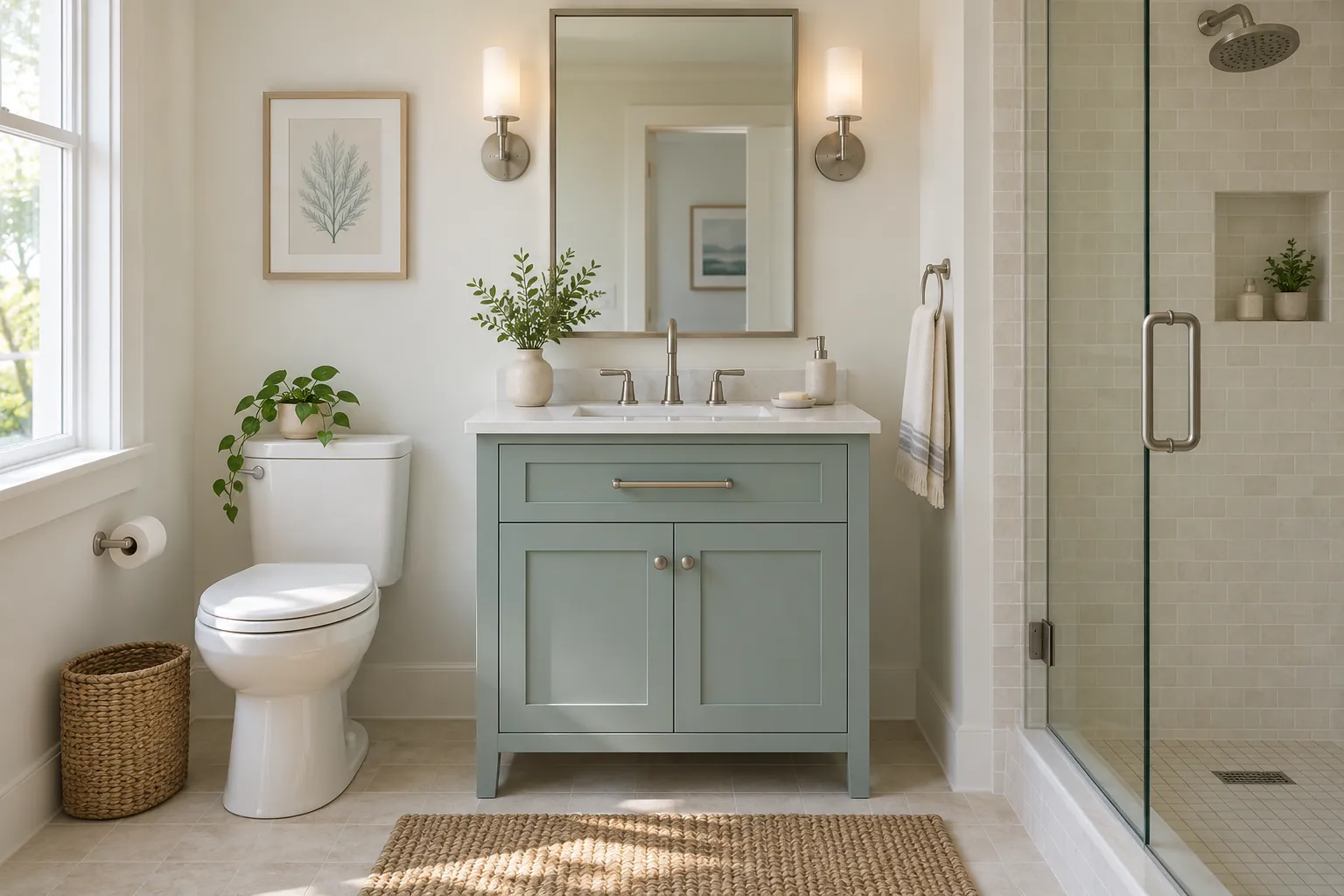
The RTA and assembled buying topic addresses a practical distinction: who turns the delivered product into a usable unit. A ready to assemble purchase requires somebody to understand the chosen product’s instructions, tools and responsibilities. An assembled purchase may reduce that task while presenting different carton sizes and handling questions. Neither format should be judged only by its image or headline price.
Ask the supplier which parts arrive assembled and which fittings or accessories need further work. Compare the receiving route with the largest expected pieces, and check where unfinished assembly could take place without blocking the rest of the project. When another contractor will handle the work, share the actual specification before assuming they have accepted it. The guide can help formulate these questions, but it does not assemble the order or certify a product’s quality. Final purchase and labor arrangements remain with the separately identified parties.
A bathroom vanity request should explain more than the desired color. The cabinet, top, basin and fixture arrangements need to be understood as a combination, including any components that are not supplied together. Identify the usable opening and existing plumbing information, then ask the seller to confirm the relevant product specifications. A replacement that looks close in a photo may still have a different configuration.
Write down whether the bathroom will retain its existing surfaces and whether the new unit is intended to fit between walls or stand with an exposed side. Ask which panels, fillers or other pieces are included and who will verify the final fit. This topic concerns a product purchase, not plumbing, electrical work or installation. A separately engaged professional should address the actual room conditions. If that responsibility is still unsettled, explain it in the inquiry rather than treating the vanity quotation as a complete bathroom project contract.

For a contractor or property purchase, the useful starting point is a unit schedule rather than a general kitchen photograph. Assign each room or property a reference, connect its drawing to the requested items and make variations explicit. A repeated door finish does not mean every opening has the same dimensions or that all units should share an identical bill of materials.
The package discussion should identify the person authorized to approve changes, the required receiving points and the way staged quantities will be checked. Ask a seller how substitutions would be presented and whether a revised specification changes other accessories or panels. Account eligibility, commercial terms and product acceptance must be confirmed directly; no trade discount or supply commitment is advertised here. Keeping approval history with the order can make a multiroom purchase easier to understand without pretending that a referral service operates a warehouse or schedules a construction crew.
Pricing questions run through every topic. Request an itemized supply total and identify what has been left outside it. A product quotation can differ in door finish, internal fittings, assembly status and included trim. The logistics discussion then adds its own questions: pickup versus delivery, agreed receiving point, access constraints, separate carrying work and the seller’s written inspection process. Avoid comparing only the final numbers while those definitions differ.
State your preferred project sequence as a preference, not a guaranteed calendar. Ask what is known about the particular order and which dates remain provisional. Do not schedule irreversible work around an unconfirmed product image or an unanswered inquiry. Annapolis Cabinet Tide supplies no local numeric price promise, inventory assurance or delivery window. The value of this section is a cleaner comparison: product, assembly, handling and separately contracted labor each remain visible so you can decide what the proposal actually covers.
You do not need to submit a separate inquiry for every uncertainty in the same project. Choose the central purchase decision and add the related concerns in your message. A kitchen quote request can mention assembly preferences. A contractor package can include staged receiving requirements. A vanity request can explain that the top and basin combination has not been selected yet.
Include your real project location, phone and the details you are comfortable sharing under the form’s stated privacy arrangements. A potential referral depends on a seller accepting that location and purchase scope; a county label does not establish an entire delivery territory. When a suitable business responds, review their own offer and confirm responsibility for the final measurements, order approval and any labor. This destination provides independent cabinet buying guidance, not products or installation, and neither a supplier response nor an appointment is guaranteed by sending a request.
Inquiry process
Sending an inquiry does not reserve products or book work.
Include project ZIP, room, approximate cabinet list and preferred timing.
Identify assembly, access, measurements and any separately arranged labor.
An inquiry can be referred only if a suitable seller accepts the location and product request.
Confirm the final drawing, itemized price, payment, delivery and return terms directly before ordering.
Questions
Select layout and order preparation if the room arrangement is still the main obstacle. Note which positions must stay and which could change, and label your measurements as preliminary. Once the arrangement is confirmed by the responsible party, a complete specification can become the basis for comparing seller quotations.
They are information and inquiry categories on this independent guide. A supplier has not been identified or accepted merely because you choose a category. Any actual seller and any separately hired contractor should be named in their own communications and contracts before you rely on a product or labor commitment.
Describe the rooms individually, with separate references, specifications and receiving requirements. A potential seller must decide whether they can discuss the combined purchase. Keep any differing finish, assembly or top requirements visible instead of assuming that a single combined total defines every room in the package.
The receiving route can affect which assembly format is practical, how the order should be staged and who must be available. Early access questions prevent a comparison from overlooking handling responsibilities. The final arrangement still needs written seller confirmation after the actual products and destination are known.
Local buying information
Describe the purchase and project ZIP in Annapolis. Supplier acceptance and any referral are confirmed separately; no visit or quote is booked by this form.
Calls only, we do not receive text messages.